
The psychology behind why we place bets at casinos
The thrill of risk-taking
The allure of casinos is deeply rooted in the human fascination with risk and uncertainty. This thrill-seeking behavior is a fundamental aspect of human psychology, drawing individuals to take chances that they might avoid in other contexts. Casinos effectively create environments that heighten this sense of risk, making each bet a thrilling endeavor. The excitement of potentially winning big can trigger a rush of adrenaline, similar to what athletes experience during peak performance moments. For instance, many players are drawn to options like Aviator, which offers a unique gaming experience that heightens this thrill.
The role of cognitive biases
Human decision-making is heavily influenced by cognitive biases, which can skew our perceptions of probability and risk. One common bias is the illusion of control, where gamblers mistakenly believe they can influence outcomes. This belief can encourage players to place bets, thinking they have a greater chance of winning than they actually do. Casinos exploit this through various game designs that give players a sense of agency, even in games governed strictly by chance.
Additionally, the gambler’s fallacy plays a significant role in betting behaviors. This bias leads individuals to believe that past outcomes influence future events, which can lead them to make irrational betting decisions. For example, a player might believe that a certain number is “due” to hit, prompting them to wager more heavily than they would under objective reasoning. Understanding these biases is crucial to grasping why people are drawn to gamble despite the odds often being against them.
The social aspect of gambling
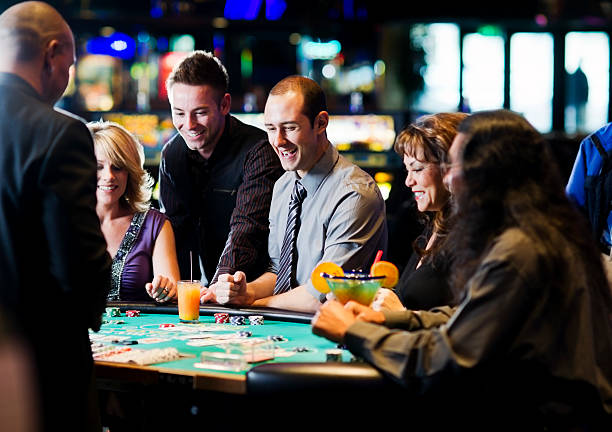
Gambling is not merely a solitary activity; it often serves as a social experience that can enhance its appeal. Many people enjoy the camaraderie found in casinos, where social interactions can enhance the overall enjoyment of the game. Engaging with friends or meeting new people at a table can transform a simple bet into a memorable event, fostering connections and shared experiences.
Moreover, casinos often encourage this social environment through their layouts and services. With bars, restaurants, and entertainment options, the atmosphere becomes inviting and communal, making it an attractive destination for social gatherings. This social dimension can draw individuals who may not even be interested in gambling, further contributing to the casino’s allure.
The impact of marketing and environment
The way casinos market themselves plays a pivotal role in attracting gamblers. From flashing lights to enticing sounds, the sensory experience is intentionally crafted to stimulate excitement and engagement. This environment can create a sense of urgency, pushing individuals to place bets in the moment rather than considering their decisions carefully.
Casinos also employ marketing tactics that leverage our psychological triggers, such as the promise of rewards or bonuses. The perception of winning, even if only occasionally, reinforces the behavior and can lead to continued participation. By creating a captivating and immersive experience, casinos successfully draw in individuals who might be lured by the prospect of rewards and excitement.

Engaging with online casinos
In recent years, online casinos have gained immense popularity, allowing players to experience the thrill of gambling from the comfort of their own homes. This shift has opened new avenues for engaging with the psychology of betting. Users can easily access various games, participate in promotions, and even interact with a community of players through live chat features.
The convenience and accessibility of online platforms cater to the busy lifestyles of many individuals. This aspect ensures that the excitement of gambling is just a click away, further solidifying the appeal of betting. As the landscape of casinos evolves, understanding the psychological underpinnings of why we gamble continues to be essential for both players and operators alike.