
Cultural insights on gambling how traditions shape the game worldwide
The Historical Context of Gambling
Gambling has been a part of human civilization for centuries, tracing back to ancient cultures. The earliest evidence of gambling dates to around 3000 BC in China, where rudimentary games of chance were popular among the elite. In ancient Rome, gambling was integrated into social customs, becoming a favored pastime among both the rich and the poor. This historical context illustrates how gambling has transcended social classes and evolved over time, adapting to various cultural environments. With the rise of modern platforms like mafiacasinoscz.com, players can explore unique sports betting strategies that reflect these rich traditions.

As societies developed, so did the methods and means of gambling. Traditional games often reflect the values and beliefs of the communities that created them. For example, dice games were prevalent in various ancient cultures, signifying luck and fate, which were significant themes in their respective mythologies. This cultural intertwining suggests that gambling is not merely an entertainment option but also a reflection of societal norms and historical narratives.
The evolution of gambling practices reveals the impact of tradition on the game itself. Different regions adopted distinct forms of gambling that adhered to local customs. For instance, the card games popular in European societies differ significantly from the board games that dominate in many Asian cultures. This diversity highlights how traditions shape gambling practices, leading to various styles that remain ingrained in their respective cultures.
Gambling and Cultural Rituals
In many cultures, gambling intertwines with rituals and celebrations, reflecting the significance it holds within those societies. Festivals often feature games of chance, serving as a means of social bonding and community engagement. For instance, during the Lunar New Year celebrations in Asian cultures, games like Mahjong bring families together to reinforce relationships and foster a spirit of togetherness.
Moreover, certain gambling activities are tied to spiritual beliefs and practices. In some Indigenous cultures, games of chance are seen as a way to communicate with the spiritual world. These rituals transform gambling from a mere game into a profound cultural activity, emphasizing the importance of luck, fate, and spirituality in human life. Such practices demonstrate how traditions shape the context and significance of gambling activities.
Cultural rituals surrounding gambling further enrich the experience, often accompanied by special food, music, and dance. These festive atmospheres enhance the thrill of the game, allowing participants to engage on multiple sensory levels. As traditions blend with gambling, they create a unique experience that attracts not just players but also spectators, contributing to the cultural fabric of society.
The Influence of Religion on Gambling Practices
Religion plays a significant role in shaping gambling attitudes and practices across the globe. In many cultures, religious beliefs dictate whether gambling is accepted, frowned upon, or completely forbidden. For instance, in Islamic cultures, gambling is typically prohibited due to its association with chance and risk, which are viewed as contrary to faith. This religious stance significantly impacts how gambling is perceived and practiced in Muslim-majority countries.
On the other hand, in cultures where gambling is accepted, religious festivals often incorporate games of chance as a form of celebration. In many Christian cultures, for example, lotteries have been used to fund churches and community projects, illustrating that gambling can coexist with religious practices under certain conditions. This duality shows how religion can both restrict and promote gambling activities, influencing societal norms around them.
The interaction between gambling and religious beliefs also reflects broader cultural narratives. Where gambling is embraced, it often serves as a means for community cohesion and social interaction. In contrast, restrictive practices may lead to underground gambling operations, indicating a societal tension between traditional beliefs and modern entertainment options. Thus, religion and culture intricately weave together to define the gambling landscape in various regions.
Modern Gambling Trends Influenced by Tradition
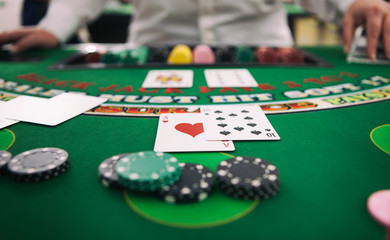
In the contemporary landscape, traditional gambling practices are finding a new life through technology and innovation. Online casinos and sports betting platforms have emerged, attracting a younger demographic while still retaining elements of traditional games. For instance, virtual versions of poker and blackjack are infused with rules and etiquette that mirror their physical counterparts, allowing players to experience the essence of tradition in a modern format.
The rise of esports betting is another example of how tradition shapes contemporary gambling. While rooted in modern digital culture, esports betting taps into the age-old excitement of competition and chance. Traditional sporting events often have deep cultural significance, and integrating these elements into a new platform allows for a seamless blend of old and new gambling practices. This adaptability shows how cultural insights continue to inform modern gambling strategies and experiences.
Moreover, social media has become a significant influence on modern gambling trends, creating communities that celebrate various games. Online platforms allow for discussions, strategy sharing, and even live streaming of events, enhancing the communal aspect traditionally found in physical gambling venues. This shift towards a more interconnected gambling experience highlights the ongoing influence of tradition on how people engage with games of chance today.
Exploring Mafia Casino’s Cultural Impact
Mafia Casino, launched in 2025, exemplifies the modern intersection of tradition and innovation in gambling. The platform caters specifically to Czech players, highlighting how cultural nuances can shape online gaming experiences. By offering a blend of traditional casino games and innovative sports betting options, Mafia Casino enriches the gambling landscape, making it accessible and engaging for a diverse audience.
The site’s emphasis on a user-friendly interface and extensive game library reflects an understanding of cultural preferences in gaming. With thousands of games from top providers, players can explore both classic favorites and contemporary options. This approach not only respects traditional gaming practices but also embraces the evolution of gambling in the digital age, ensuring that all players feel included.
Mafia Casino’s dedication to providing a secure and engaging environment further illustrates the importance of cultural insights in shaping online gambling. With a generous welcome bonus and various payment options, the platform appeals to both new and experienced players. As the gaming industry evolves, Mafia Casino stands as a testament to how blending tradition with modern technology can create an enriching gambling experience that resonates globally.